
Learning + Evaluation
Learning + Evaluation is BANF’s multi-phase, community-led learning infrastructure designed to document process, surface shared meaning, and strengthen ecosystem accountability. The work functions as an ongoing practice woven across BANF initiatives, connecting reflection, evaluation, storytelling, and sensemaking throughout the network’s evolving ecosystem strategy.
What began as a community-informed needs assessment continues evolving into a sustained evaluation approach grounded in developmental and participatory frameworks. Over time, Learning + Evaluation becomes one of the primary ways BANF synthesizes insights across programs, builds shared language, reflects on impact, and communicates learning through accessible, multimodal formats.
Who the Work Serves
Learning + Evaluation engages multiple layers of the BANF ecosystem, including BIPOC artists and arts organizations participating in BANF initiatives, Community Storytellers, BANF leadership and advisory bodies, funding partners, and broader community stakeholders.
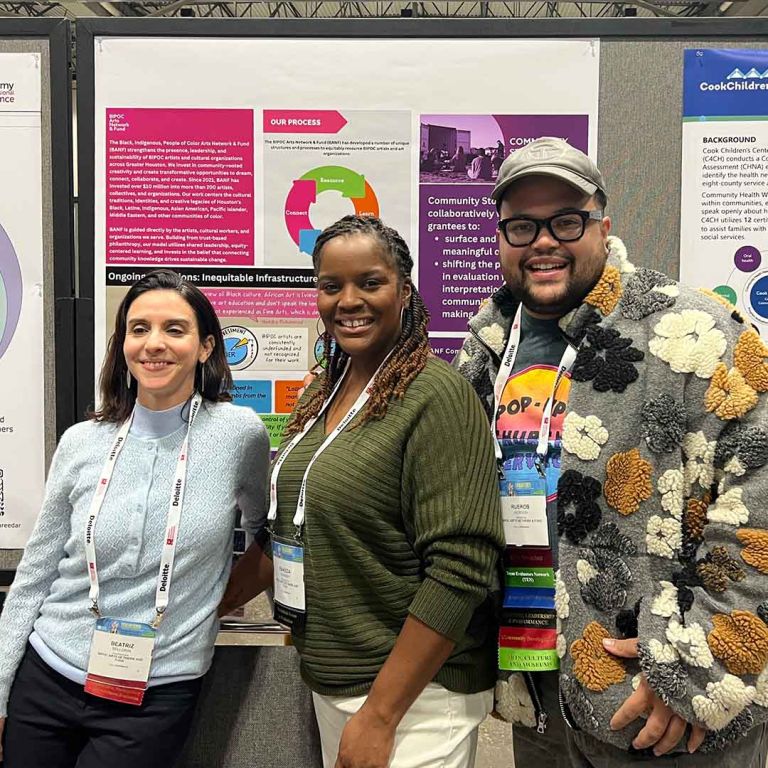
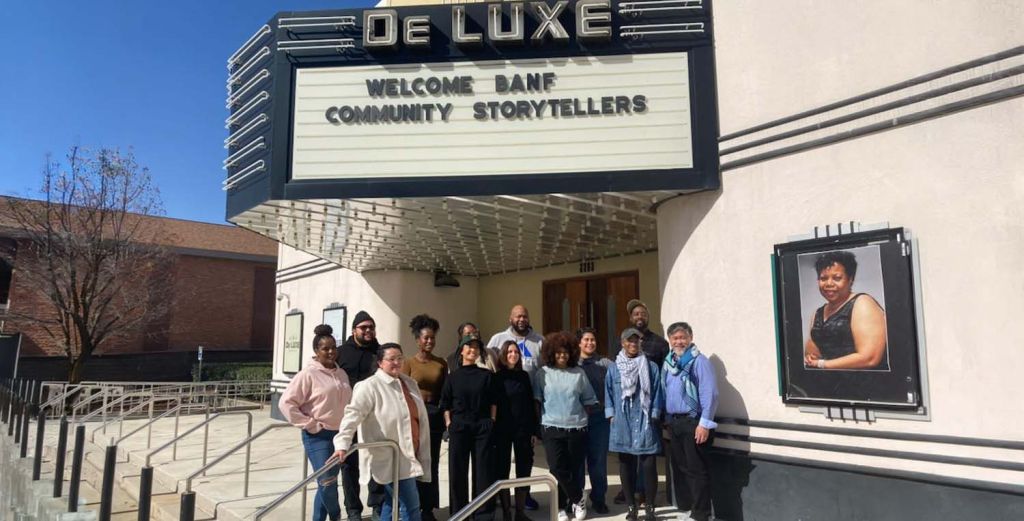
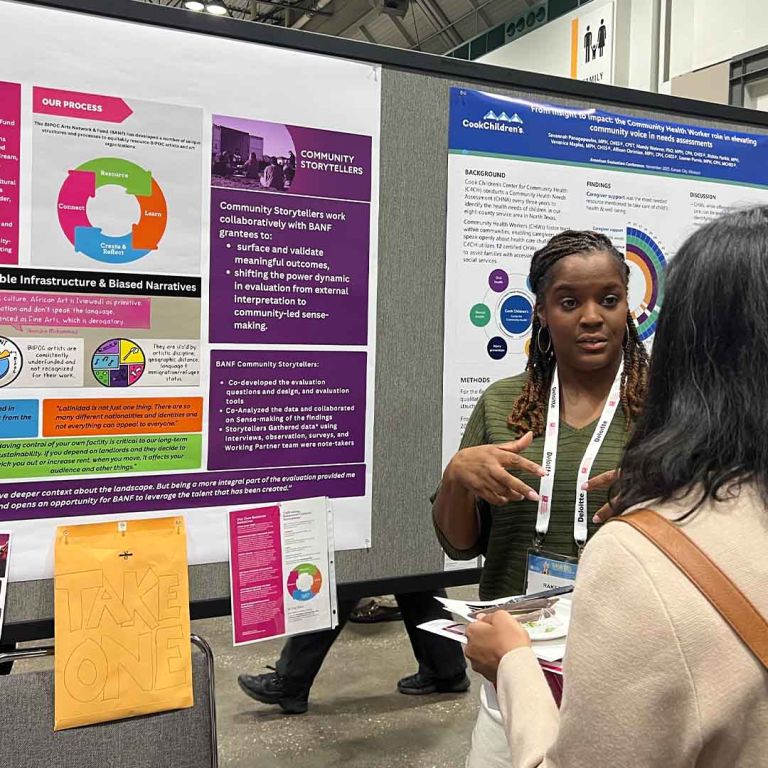
A central component of BANF’s model is the Community Storytellers: a cohort of BIPOC artists who co-lead evaluation, data collection, interpretation, and sensemaking processes. Community Storytellers participate as co-authors of knowledge, interpretation, and narrative development, helping shape how learning is gathered, understood, and shared across the ecosystem.
What Makes the Work Distinctive
Learning + Evaluation approaches evaluation as a community-owned practice grounded in listening and shared meaning-making. The work treats these activities as strategic infrastructure that supports accountability, adaptation, and narrative power across BANF initiatives.
Community Storytellers play a central role in shaping the process. Storytellers participate in tool design, qualitative analysis and coding, synthesis, and public-facing interpretation to ground evaluation in lived experience and community-defined meaning. The work also expands ideas about who holds evaluative expertise, recognizing artists and community members as critical interpreters of ecosystem experience and change.
The initiative emphasizes multimodal and accessible forms of learning and knowledge-sharing. Findings move through dialogue, creative reflection, and participatory sensemaking processes that invite broader community engagement and validation.
Across phases, the work remains grounded in developmental and participatory approaches that treat learning as ongoing and adaptive. Evaluation functions as a process of questioning, reflection, and collective interpretation that evolves alongside the programs, relationships, and communities it supports.
“That it’s process over outcome has been essential … the idea that we needed to be listening more than prescribing, and that the value only is derived when we have community buy-in…”
— Sixto Wagan, Executive Director
How the Work Adapted
Learning + Evaluation continues evolving across BANF’s phases of work. Early efforts focus on listening, needs assessment, and clarifying what kinds of learning matter most to the community. Over time, the work expands into participatory evaluation models, collective analysis, and ecosystem-wide sensemaking across multiple initiatives.
The role of Community Storytellers also deepens over time. Early experiences emphasize evaluation training and shared language development, while later phases support greater co-leadership in tool design, interviewing, interpretation, and reporting. Community members increasingly guide evaluative direction, helping reshape traditional power dynamics within evaluation practice.
The work adapts continuously through reflection cycles, facilitator dialogue, revisions to tools and methodologies, and responsiveness to participant capacity during periods of crisis and transition. Cohort structures, facilitation approaches, and reporting formats continue evolving to support sustainability, reduce burden, and strengthen interpretive alignment across the group.
Definitions of success also continue shifting throughout the process. Early goals center transparency, listening, and trust-building. Over time, success becomes increasingly connected to the development of shared interpretive language, the ability to synthesize learning across initiatives, and the creation of public-facing materials that feel accountable, accessible, and affirming to the communities represented within them.
The insights, reflections, and sensemaking processes led by Community Storytellers directly informed the development of BANF’s Learning Stories — a synthesis of what participants, facilitators, and community members are learning across initiatives about resourcing, relationships, infrastructure, and narrative change within Houston’s BIPOC arts ecosystem.