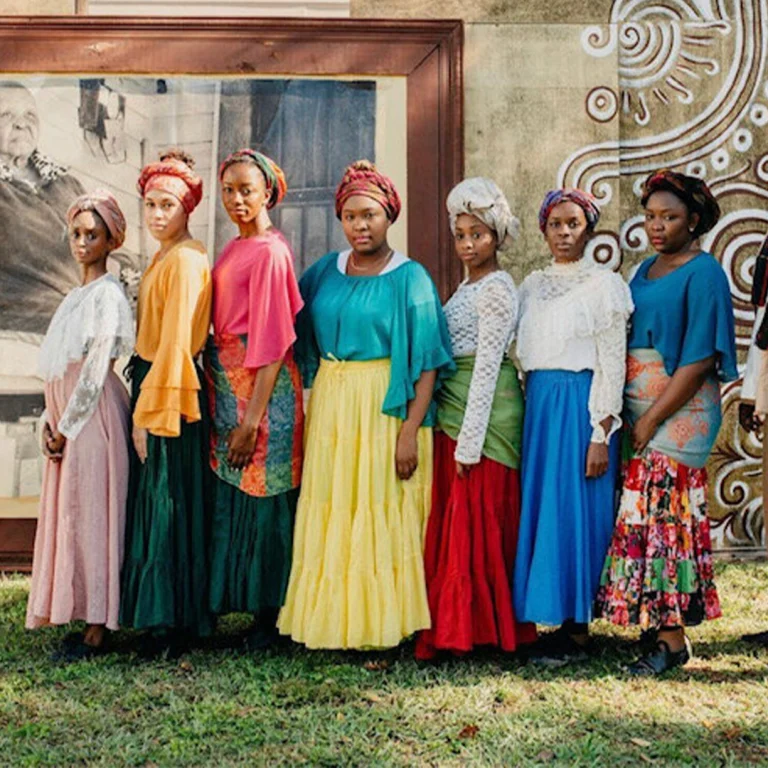
Crisis Relief was BANF’s inaugural grantmaking initiative, launched in January 2022 in response to the compounded crises affecting BIPOC artists and arts organizations, including COVID-19, economic instability, and long-standing inequities in arts funding. Through this initiative, BANF distributed $2 million in one-time, unrestricted grants to 120 BIPOC-founded and -led organizations and artist collectives across Greater Houston.
From the beginning, Crisis Relief was designed as more than emergency stabilization. The initiative was an opportunity to better understand the realities, strengths, and structural conditions shaping Houston’s BIPOC arts ecosystem. BANF approached relief funding as an experiment in what more equitable, trust-based resourcing could make possible.
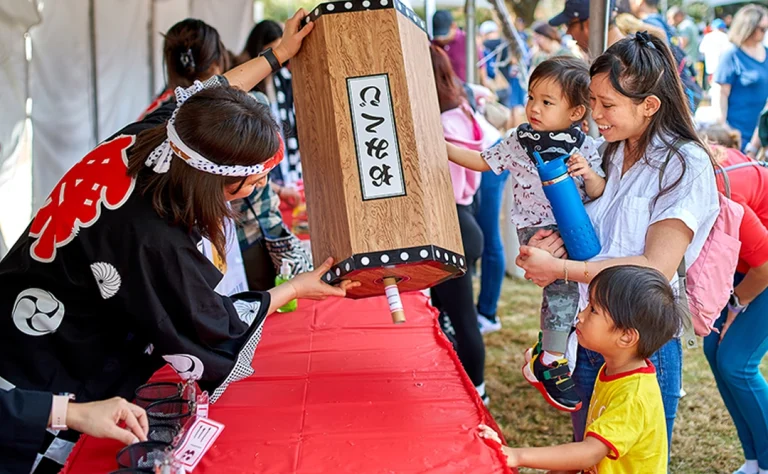
Japan America Society of Houston, Inc.
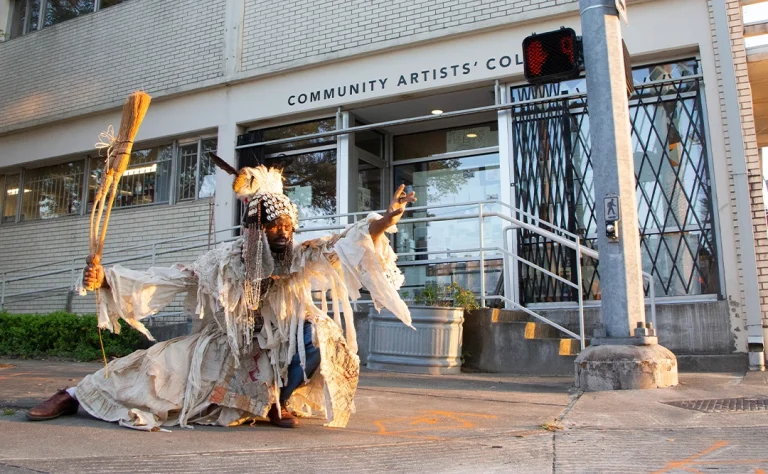
Coffee Koolaid and the Tabernacle of Rememory Performance Lab
Who the Program Served
Crisis Relief supported BIPOC-founded and -led arts and culture organizations, artist collectives, fiscally sponsored projects, and unincorporated groups across Greater Houston. Many participants had historically been under-resourced, excluded, or misclassified within traditional arts funding systems.
The initiative intentionally included a wide range of organizational structures and operating models, recognizing that many culturally significant groups do not fit neatly within conventional nonprofit frameworks. Participants included both established organizations with existing infrastructure and emerging collectives navigating more immediate survival needs.
Part of our understanding of this work is actually being present enough with our communities so that we are actually helping to build new possibilities, with them, holding the ambition.
— Sixto Wagan, Executive Director
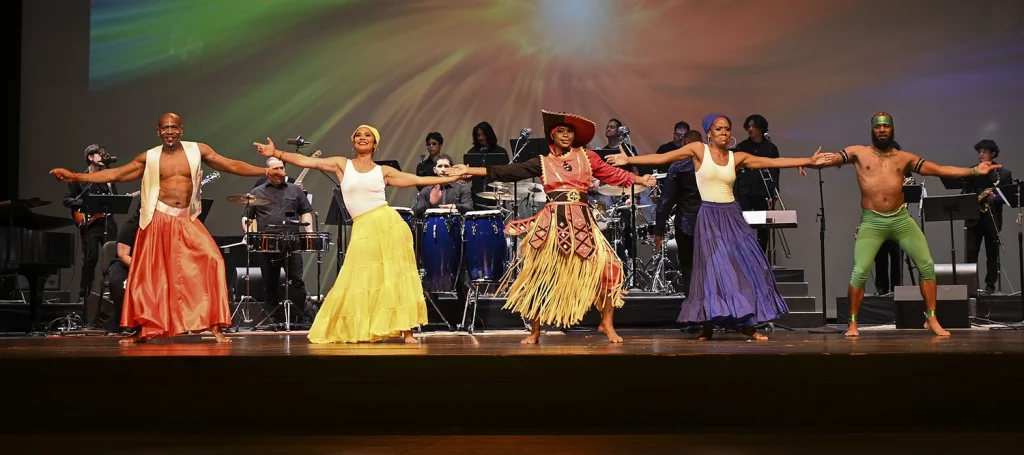
Salsa y Salud by Flamart
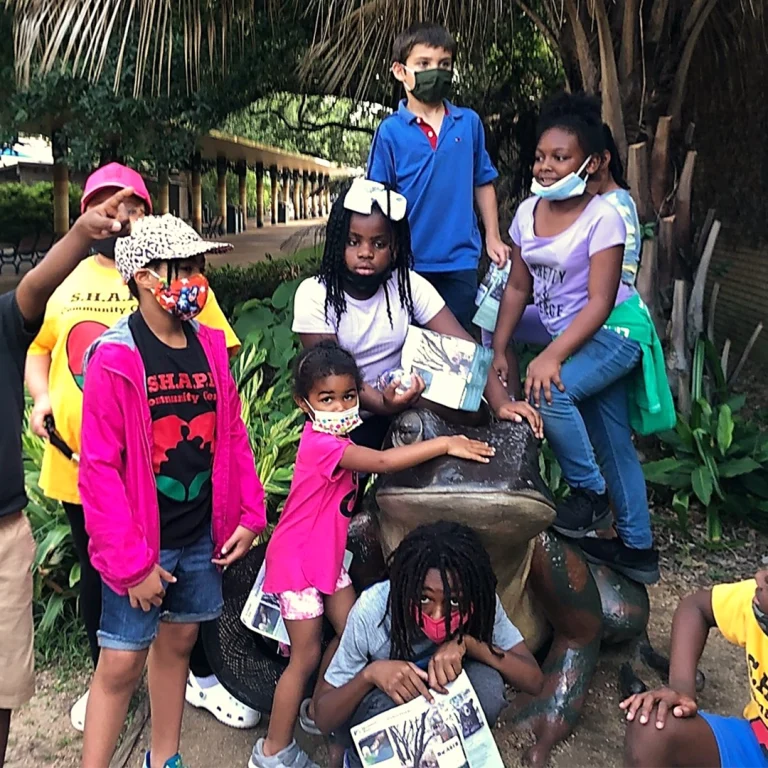
SHAPE Community Center
What Made the Program Distinctive
Crisis Relief paired unrestricted funding with a community-centered Learning and Reflection Process. BANF framed learning as a strategy: a way to understand lived experience, surface network-wide patterns, and inform future action.
Listening and Learning Sessions created dialogue-centered spaces where participants reflected collectively on how funding was experienced, what structural barriers shaped their work, and what conditions were necessary for long-term sustainability. Participation in these learning spaces was optional and not tied to funding compliance, helping create more open and reflective conversations.
The initiative also centered community voice in the learning process itself. A six-member Design Team worked alongside facilitators and BANF leadership to help shape reflection questions, learning priorities, and sensemaking processes and invited network members in as co-interpreters of the work and its meaning.
Creative and narrative approaches to storytelling were also central to the initiative. Learning outputs emphasized dialogue, synthesis, narrative analysis, and public knowledge-sharing, helping position reflection and storytelling as forms of the ecosystem’s infrastructure rather than internal reporting alone.
As the initiative unfolded, BANF’s understanding of both relief and learning from the community evolved. Early assumptions centered on the idea that emergency funding alone could help stabilize the ecosystem. Through the Learning and Reflection Process, participants surfaced a more complex picture: unrestricted funding was essential, but long-term sustainability also required shared infrastructure, relationship-building, continued investment, and broader systems change.
The program adapted through ongoing dialogue between network leaders, facilitators, and funders. aLearning materials, session structures, and reflection priorities evolved iteratively in response to participant experience and emerging themes. This adaptive process allowed BANF to move beyond static evaluation models and toward a more responsive, community-informed approach to learning and strategy.
Over time, definitions of success also shifted. While initial goals focused on rapid relief distribution and organizational stabilization, later learning centered on broader questions about equity, institutional recognition, and ecosystem-level transformation. Participants and facilitators also challenged dominant narratives around artistic value and legitimacy, helping BANF identify the limitations of traditional funding and evaluation systems, and strengthen their own approach.
Crisis Relief ultimately helped establish many of the ideas, relationships, and learning frameworks that would shape BANF’s future initiatives. It also surfaced an enduring question that continues across BANF’s work: what becomes possible when BIPOC artists and organizations are trusted not only as grantees, but as cultural leaders, knowledge holders, and system-shapers?