
Arts Education Peer-to-Peer Mentorship Program
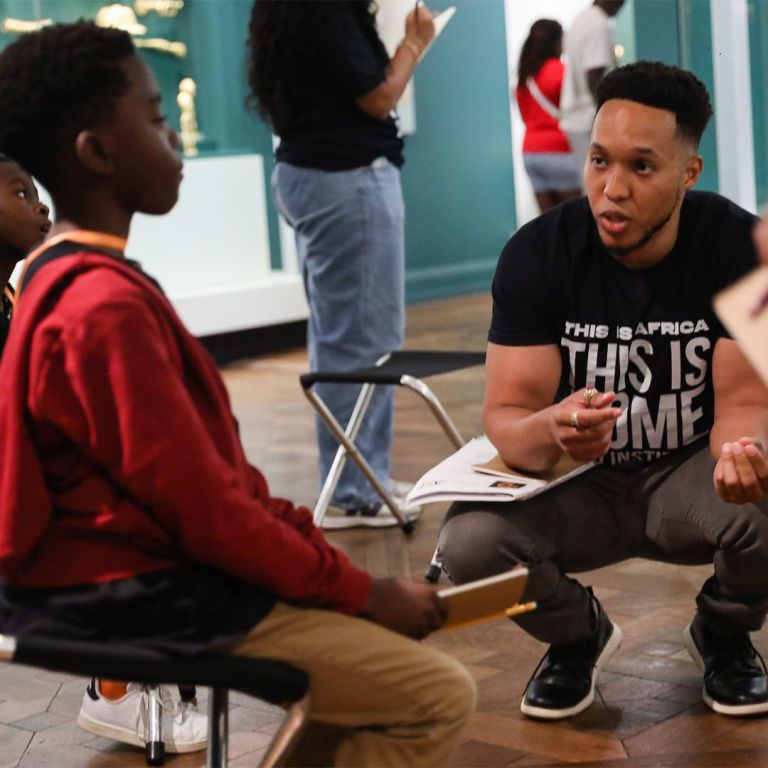
The Arts Education Peer-to-Peer Mentorship Program (AEPPM) strengthens the capacity, sustainability, and connectivity of BIPOC-led arts organizations delivering K–12 arts education across Greater Houston. The program grew out of a year-long Arts Education Landscape Exploration that surfaced practitioner isolation, loss of institutional knowledge, limited peer support, and increasing barriers to navigating school systems during a period of instability and policy change.
The program recognizes that long-term student impact depends on strong arts programming, as well as the strength of the relationships, infrastructure, shared knowledge, and support systems surrounding practitioners themselves. AEPPM approaches sustainability through relationship-building, peer mentorship, technical support, and systems fluency, while continuing to evolve responsively alongside the needs of participants and the changing realities of arts education systems.
Who the Program Served
AEPPM supports BIPOC-founded and -led arts and cultural organizations delivering and deepening K–12 arts education programming in Greater Houston.
Participants include arts administrators, teaching artists, and organizational leaders responsible for designing, sustaining, and navigating arts education work across schools, afterschool programs, and community-based contexts.
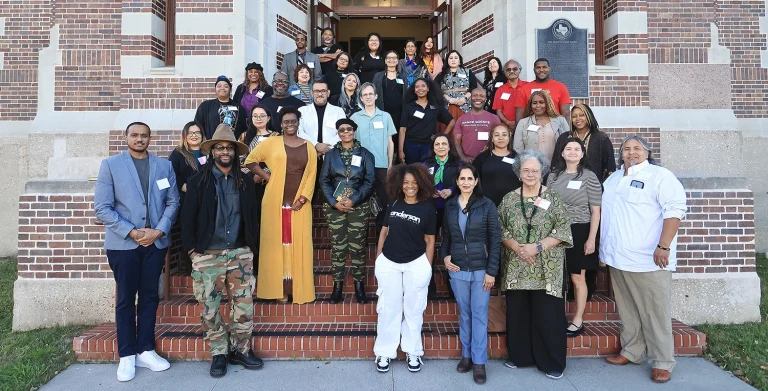
The cohort intentionally includes organizations working across different models, scales, and levels of organizational maturity, recognizing that arts education practitioners often hold critical systems knowledge while operating with limited infrastructure and support.
What Makes the Program Distinctive
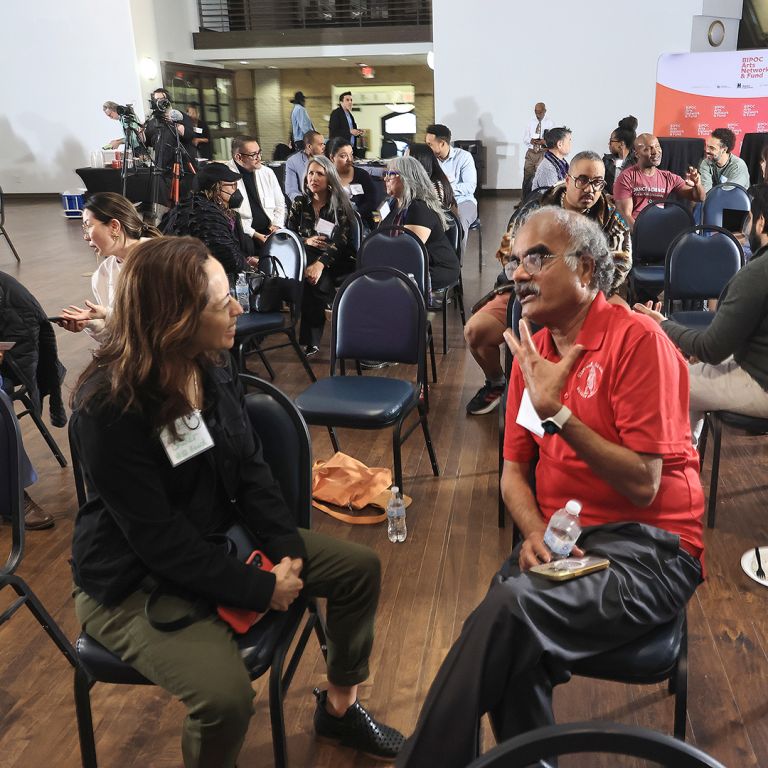
AEPPM centers peer knowledge as a primary form of expertise. Rather than relying on top-down technical assistance or hierarchical mentorship models, the program is structured around reciprocal, lateral mentorship pairings that emphasize shared inquiry and mutual support.
The program treats relational infrastructure as essential to sustainability. Peer mentorship, cohort convenings, workshops, and informal relationship-building function not simply as networking opportunities, but as ways to reduce isolation, strengthen trust, and create shared language across the arts education ecosystem.
AEPPM also emphasizes systems-aware arts education practice. Workshops and facilitation responsively address practitioner-identified needs such as documentation, evaluation, sustainability planning, school partnership navigation, and translating between arts practice and educational systems. The program moves away from rigid or deficit-based models of organizational development by recognizing that participants are already navigating complex educational systems with significant knowledge and experience. AEPPM emphasizes peer learning, flexible pathways for demonstrating impact, and adaptive support responsive to differing organizational capacities and realities through unrestricted participation funds.
How the Program Adapts
Community voice has shaped AEPPM from its earliest stages. The Arts Education Landscape Exploration directly informed the program’s design, helping identify practitioner isolation, burnout, systems navigation, and peer connection as central ecosystem needs.
As the cohort evolves, participant feedback continues to shape workshop topics, pacing, mentorship structures, and the balance between technical support and relationship-building. Facilitators and leadership adjust delivery responsively in conversation with participants, allowing the program to adapt alongside the realities organizations are navigating.
The program continues to evolve its understanding of impact over time. Early assumptions focused more heavily on direct student programming outcomes, while ongoing learning increasingly emphasizes systems fluency, organizational readiness, infrastructure development, peer support, and practitioner sustainability as necessary foundations for long-term student impact.
Flexibility remains an essential part of the program’s approach. Definitions of progress continue expanding to recognize indirect systems work, including educator training, curriculum alignment, infrastructure-building, and organizational development. Facilitators also adapt timelines, mentorship support, and mediation strategies in response to capacity strain, institutional pressures, and the realities participants face across shifting educational environments.
As the program develops, participants continue strengthening peer relationships, increasing confidence navigating school systems and evaluation requirements, expanding resource-sharing, and building greater clarity around how collective infrastructure can support more sustainable arts education ecosystems.
Through this program, BANF continues exploring what becomes possible when arts education practitioners are supported not only as program providers, but as ecosystem builders, systems navigators, mentors, and holders of shared community knowledge.