
Cultural Treasure Accelerator
The Cultural Treasure Accelerator (CTA) is a cohort-based learning and funding program that supports BIPOC-led arts and culture organizations that are early in their development or operating with limited infrastructure. CTA emerged from a gap identified within the broader network following the launch of Houston Cultural Treasures and the Artist Awards: the need for a flexible, accessible program that combines financial support, peer learning, and coaching without imposing heavy administrative or participation demands.
CTA provides unrestricted funding, access to a Creative Risk Fund microgrant, and participation in a peer learning network supported by coaches, facilitators, and guest speakers. The program strengthens relationship-building, shared learning, experimentation, and networked support as pathways toward greater organizational resilience, leadership confidence, and ecosystem connectivity.
Who the Program Serves
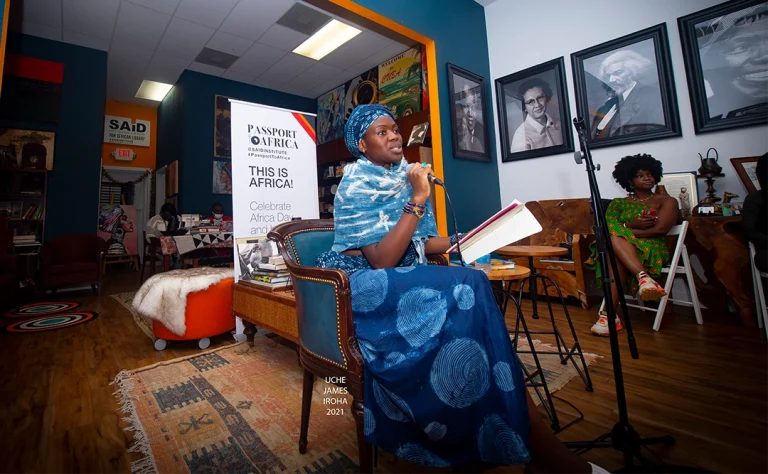
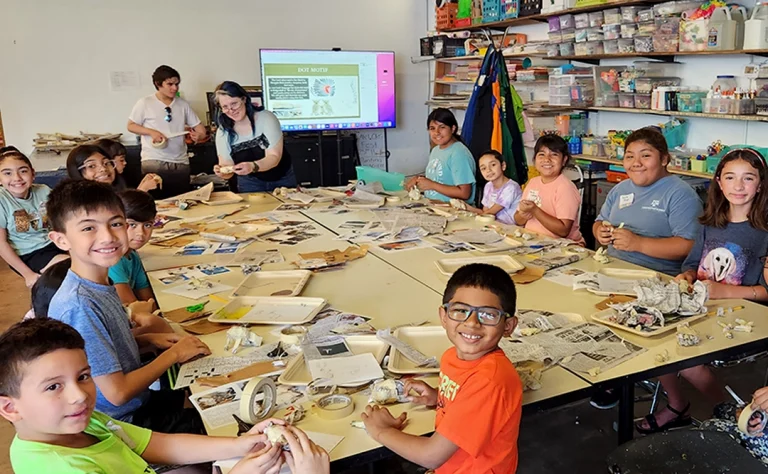
CTA supports BIPOC-led and BIPOC-serving arts and culture organizations that are early-stage, fiscally sponsored, or small-to-midsize nonprofits operating with limited infrastructure. Many participating organizations navigate growth, staffing transitions, sustainability questions, or experimentation while balancing significant capacity constraints.
The program supports organizations seeking connection, peer learning, and flexible infrastructure-building outside larger institutional funding models. CTA creates space for organizations to strengthen relationships, test ideas, and build confidence in their leadership and decision-making before entering more resource-intensive funding structures.
What Makes the Program Distinctive
“Witnessing arts leaders shift from isolation into collective belonging and from survival mode to shared visioning are some of the ways the cohort shifted their mindset from individualism to community centered engagement. “
— Program Manager
CTA approaches organizational development through peer learning, relationship-building, and collective imagination. The program prioritizes low-burden participation, shared accountability, and adaptive support that responds to the realities organizations face while operating with limited infrastructure.
The cohort functions as a relational learning network grounded in dialogue, reflection, and real-time exchanges of challenges, strategies, and support. Coaches work alongside participants as thought partners to support strategic thinking responsive to each organization’s context.
CTA also centers experimentation as a necessary part of organizational growth and sustainability. Through the Creative Risk Fund, participants receive support to test ideas, explore creative possibilities, and develop projects shaped by their own priorities, questions, and community needs.
CTA creates space for organizations to imagine futures beyond immediate survival, strengthening confidence in their cultural leadership and how their work contributes to broader transformation and resilience.
“Now I think it’s about whether people feel resourced, whether they feel seen, whether they feel connected, and whether the ecosystem, specifically in the Cultural Treasures Accelerator, is more aligned and resilient.”
— Program Manager

How the Program Adapted
CTA continues evolving through ongoing communication between participants, facilitators, and BANF leadership. Participants increasingly guide the direction of collective learning as relationships deepen across the cohort.
The program adapts responsively to the realities participants navigate, including staffing transitions, seasonal workload fluctuations, and organizational capacity challenges. Session pacing, breakout formats, and participation expectations continue evolving to reduce burden and support deeper engagement.
CTA also continues refining how it understands impact and success. Early indicators focus more heavily on attendance and participation, while ongoing learning increasingly centers whether participants feel resourced to more confidently navigate organizational decision-making, experimentation, and collaboration.
As relationships deepen, participants continue initiating peer-to-peer engagement, collaboration, and resource-sharing outside formal programming spaces. In-person convenings remain especially important moments for trust-building and relational exchange, reinforcing the ongoing importance of embodied connection within post-pandemic cultural organizing.
Through this program, BANF continues exploring what becomes possible when early-stage and under-resourced organizations receive support through flexible learning structures, peer leadership, experimentation, and networked care. The experiences, relationships, and learning emerging through this cohort directly helped shape how BANF understands what organizations need to sustain and strengthen their work toward collective resilience, and activate change across Houston’s BIPOC arts ecosystem.