BANF’s learning journey has surfaced both what is possible and what remains unresolved. Across its first several years, BANF has moved resources, relationships, and visibility to BIPOC artists and arts organizations while also learning what it takes to shift the larger systems around them.
These challenges are reminders that building a more equitable arts ecosystem requires sustained attention, experimentation, and collective responsibility.
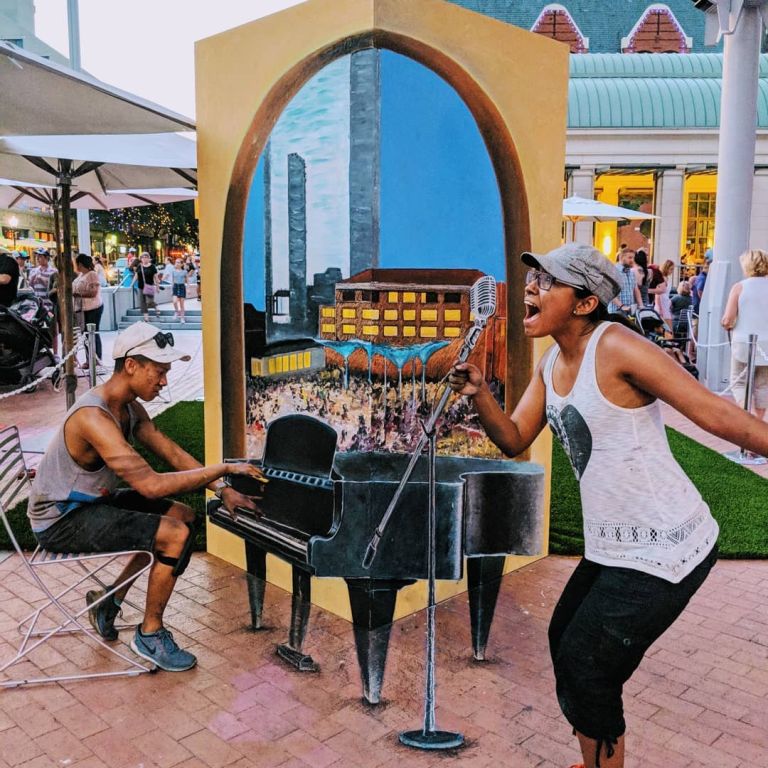
3D Chalk Art by Claudia Cepeda
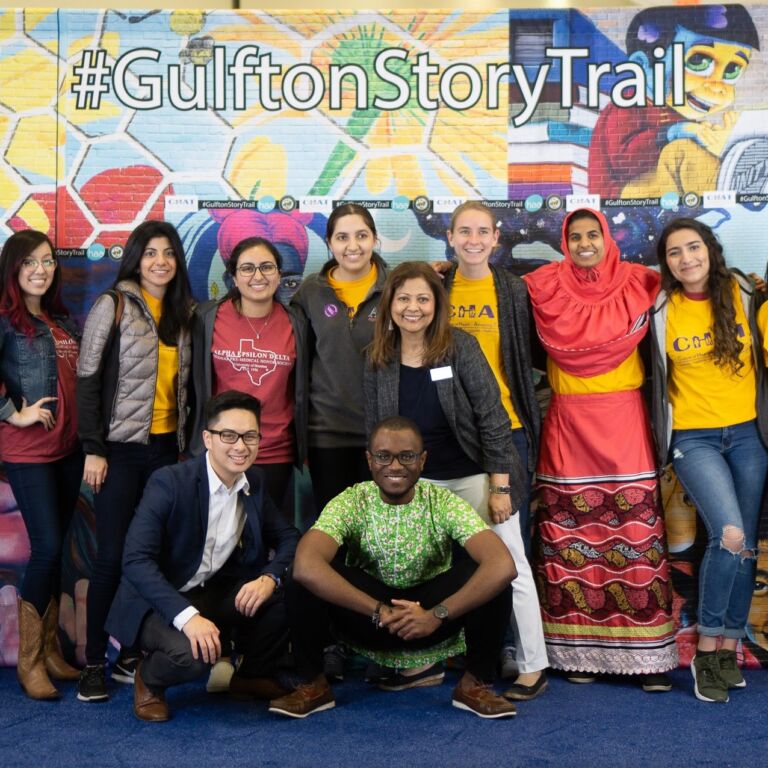
Culture of Health Advancing Together Gulfton Story Trail
Existing funding systems still shape who can access support:
Many artists, collectives, and community-rooted groups do not fit neatly into traditional nonprofit funding structures. Some do not want to become 501(c)(3) organizations, while many foundations are still primarily set up to fund them. BANF has worked to make funding more accessible through flexible approaches, but the broader funding ecosystem still needs to better support individual artists, informal collectives, fiscally sponsored projects, and organizations with less formal infrastructure.
Flexible funding creates possibility, but sustainability requires more than one grant:
Participants consistently described flexible, trust-based funding as deeply impactful. It gave artists and organizations room to breathe, plan, heal, experiment, and respond to their real needs. At the same time, participants also raised questions about what happens after a grant or cohort ends. Many named a need for clearer pathways to sustain projects, access future funding, maintain momentum, and build long-term infrastructure beyond the initial investment.
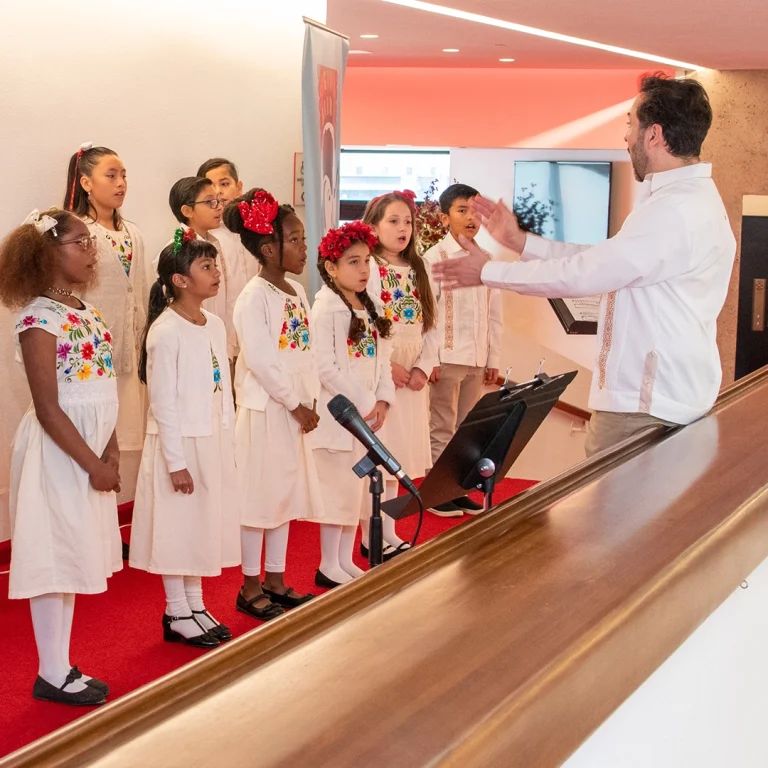
Segundo Barrio Children's Choir
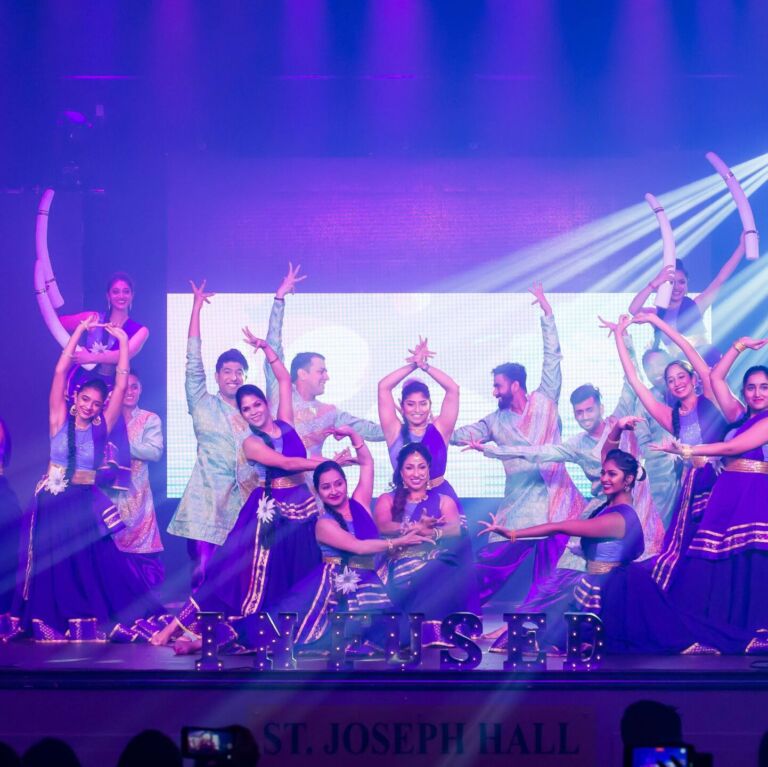
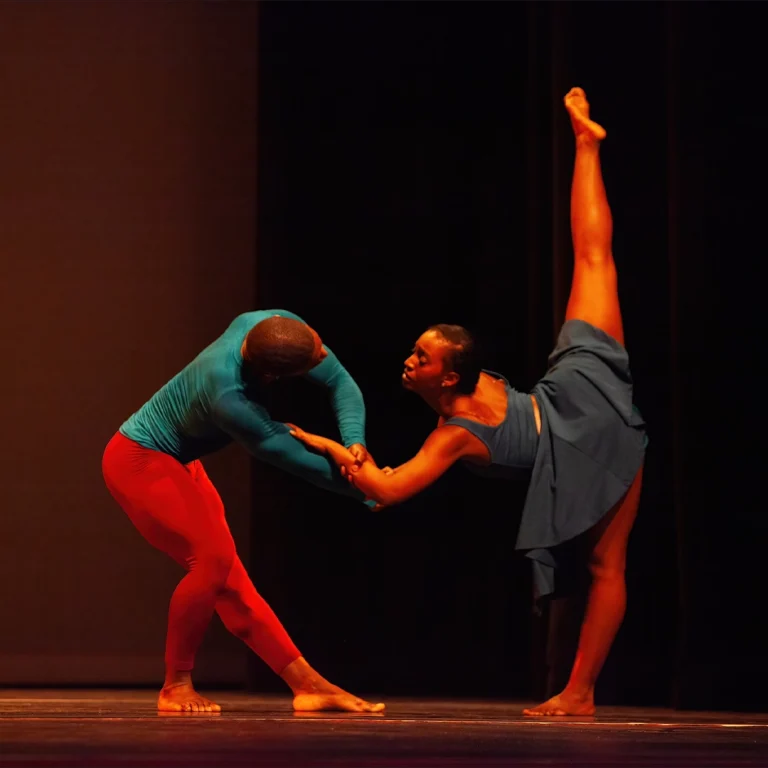
Infused Performing Arts
Relationships need structure to endure:
BANF’s cohort-based programs have created meaningful trust, belonging, peer learning, and collaboration. Participants described feeling seen, supported, and connected to a broader BIPOC arts ecosystem. Still, they also named the need for more intentional structures to sustain relationships after programs end, deepen cross-cohort collaboration, and support ongoing network-wide communication.
Ecosystem infrastructure takes time to build:
BANF’s work has supported artists and organizations in strengthening internal systems, accessing tools, building relationships, and moving from scarcity-driven decision-making toward longer-term planning. But infrastructure-building is slow, layered work. BANF is still learning what mix of time, shared systems, knowledge-sharing, and power-building resources can help these gains become durable.
Black Arts Movement
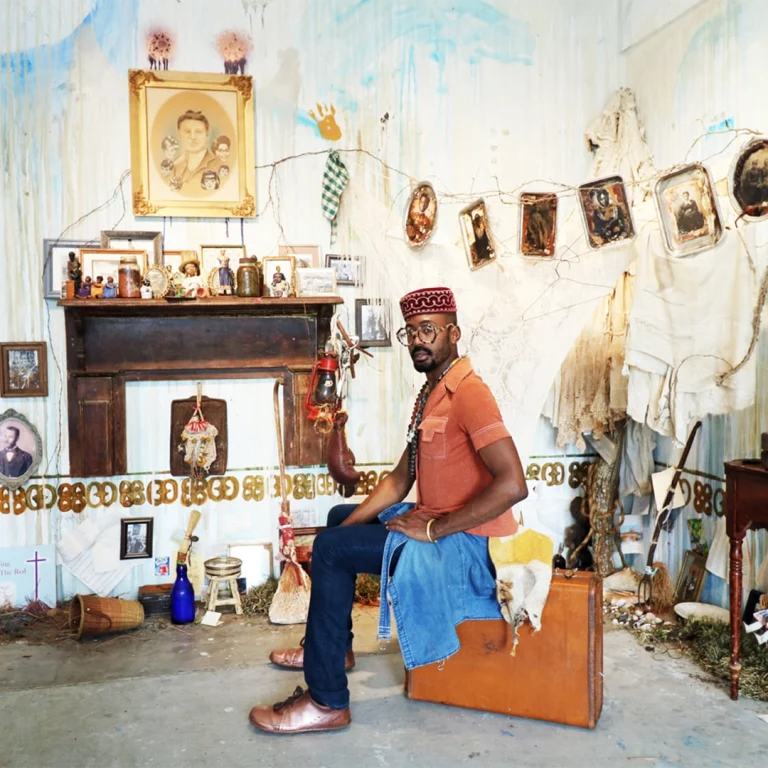
Vikoter Givens, Coffee, Kool Aid and the Tabernacle of (Re)Memory
Narrative change is still becoming visible at an ecosystem level:
Participants described greater confidence, clarity, visibility, and recognition within their communities. BANF is still learning what it takes for these shifts to move beyond participant experience and more fully influence Houston’s broader arts ecosystem, philanthropy, media, policy, and public life.